
News
Taliban clash with protesters as militant group moves swiftly to enforce regime


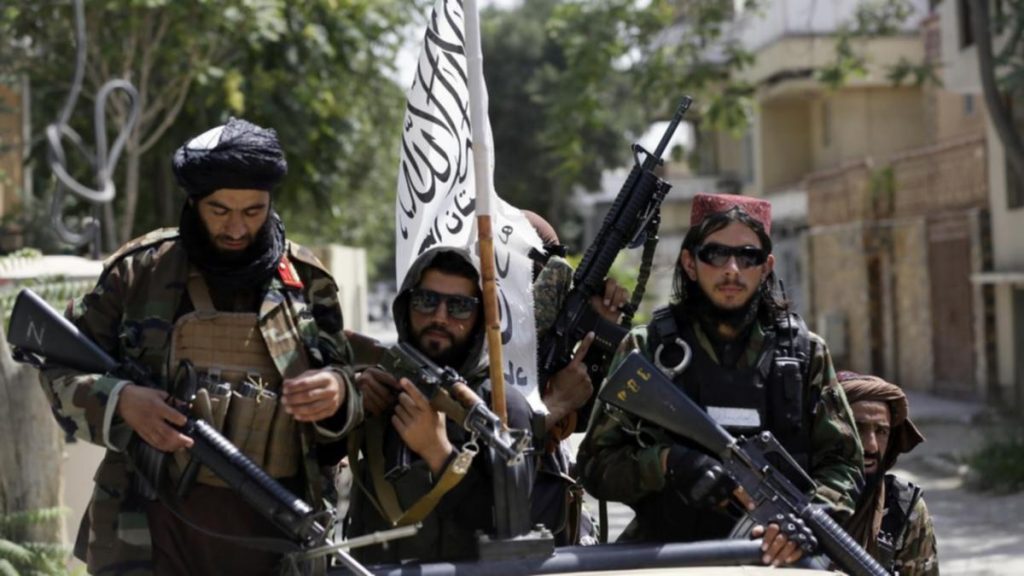
Taliban moves swiftly to increase their rule across the region – the military group has clashed with protestors who are fighting back against the regime
The Taliban has continued to move swiftly to increase their rule across the region – the military group has clashed with protestors who are fighting back against the regime.
This comes as thousands of Afghan residents and foreign nationals rush to Kabul’s main airport in a desperate bid to escape the country before it’s too late.
As of today, the US military has so far evacuated around 7,000 people from Afghanistan after taking control of the airport earlier in the week.
It appears that the Taliban are cooperating with the evacuation efforts but there are fears that this could change very quickly.
Ned Price from the US State Department stated that the America’s rescue efforts are continuing.
We are also hearing reports that the Taliban is forcing Afghan residents to stay inside and the militant group is moving to enforce a curfew for “an indefinite time”.
This comes as residents line the streets in several cities to protest the Taliban’s regime and call for a return to a democratic government.

All kinds of movement will now be banned by the Taliban in the wake of protests
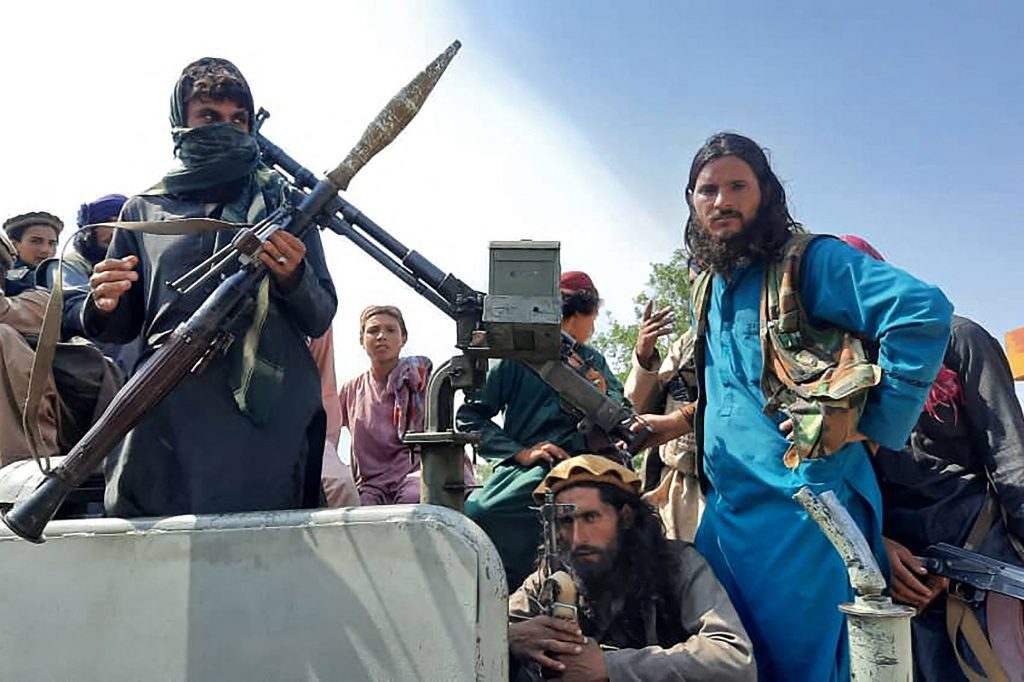
All kinds of movement will now be banned by the Taliban in the wake of protests
The clampdown follows a United Nations briefing that found that the Taliban is stepping up the search for “collaborators”.
The G7 foreign ministers have called on the militant group to continue to honour their commitment to allowing safe passage out of the country.
In a statement, the UK’s Dominic Raab says “the ministers are deeply concerned by reports of violent reprisals in parts of Afghanistan”.
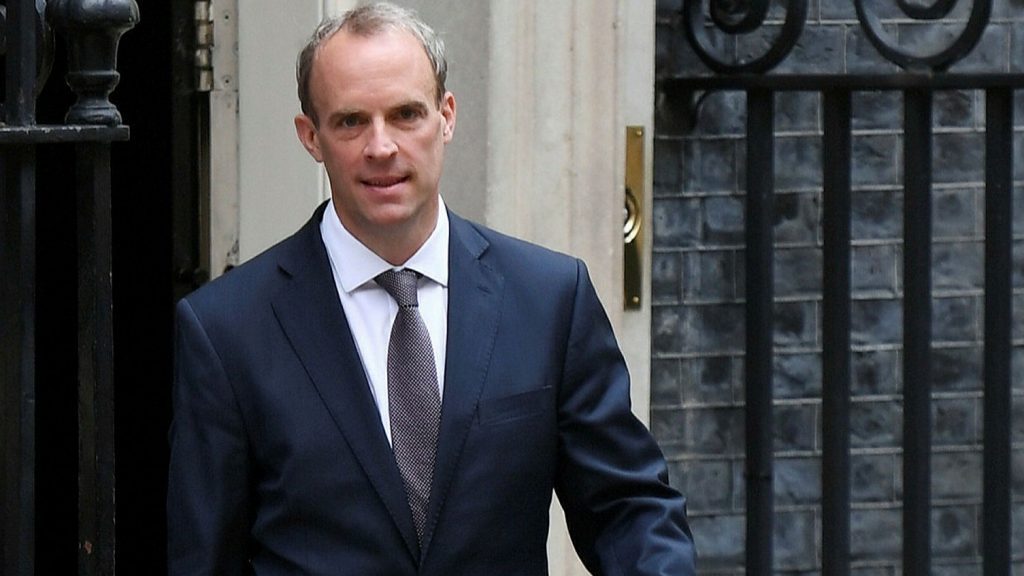
‘The fact is that a future Afghan government that upholds the basic rights of its people, that doesn’t harbor terrorists, and that protects the basic rights of its people, including the basic fundamental rights of half of its population, its women and girls, that is a government that we would be able to work with,’
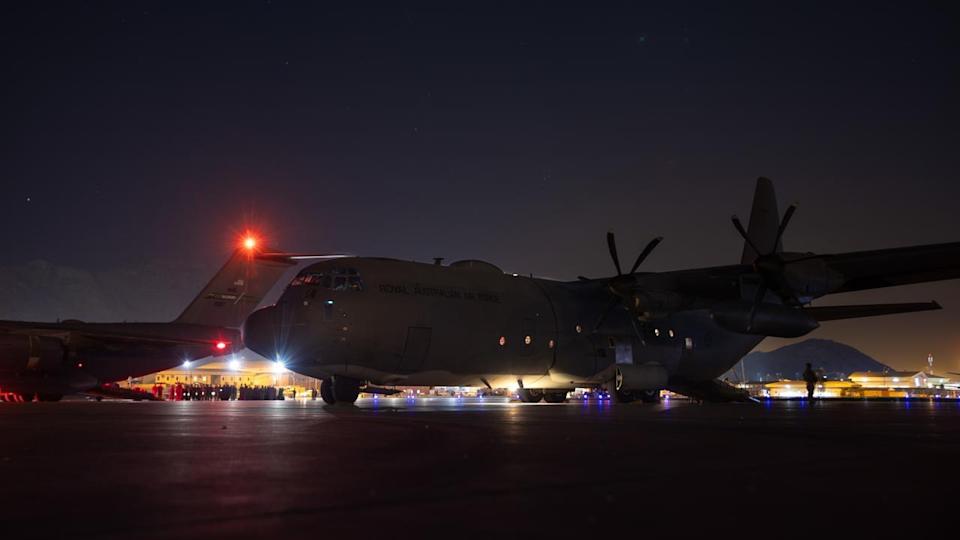
Australia’s evacuation flight arrives in Perth
The first Australian evacuation flight from Afghanistan has arrived in Perth.
The Royal Australian Air Force plane carrying 90 Australians and Afghan visa holders landed in Western Australia this morning.It marks the first flight of more than 600 Australians and refugees to make the journey.
40 additional troops have been deployed to Kabul as rescue efforts continue.
On Thursday, Taliban militants fired into the air to try to control the crowds gathered at the airport’s blast walls.
Men, women and children fled in fear for their safety, scrambing into planes – some without a ticket.
Fighter jets later roared overhead, but no airstrike accompanied their pass.The ABC reported that several Australians and visa holders trying to get through were forced to flee after Taliban guards attacked people.

News
Trump weighs U.S. role in Iran as Middle East conflict escalates
Trump consults advisers on U.S. strategy post-Iran conflict as regional tensions escalate amid military actions.

Trump consults advisers on U.S. strategy post-Iran conflict as regional tensions escalate amid military actions.
President Trump is consulting with top advisers on how the U.S. should respond once the conflict in Iran subsides. Decisions on military, diplomatic, and regional strategies are reportedly being finalised amid the ongoing conflict.
Meanwhile, Iran has targeted multiple regional sites while Israel intercepted a jet fighter over Tehran, signalling a dangerously volatile situation. International concern grows as conflicts risk wider escalation.
Subscribe to never miss an episode of Ticker – https://www.youtube.com/@weareticker
#MiddleEastCrisis #IranConflict #TrumpUpdate #USMilitary #Israel #AirCampaign #GlobalTensions #BreakingNews

News
U.S. submarine sinks Iranian warship near Sri Lanka
U.S. video of Iranian warship sinking escalates tensions, confirms submarine responsible near Sri Lanka, sparks geopolitical concerns.
U.S. video of Iranian warship sinking escalates tensions, confirms submarine responsible near Sri Lanka, sparks geopolitical concerns.
A dramatic video showing the sinking of an Iranian warship has been released by the United States, escalating tensions in an already volatile region. While the exact date and full details of the footage remain unverified, the images have quickly gone viral across global platforms.
U.S. Department of War Secretary Pete Hegseth confirmed that a U.S. submarine was responsible for sinking the Iranian vessel off the southern coast of Sri Lanka. The development marks a significant flashpoint in maritime security across the Indo-Pacific.
Sri Lanka’s Foreign Minister identified the ship as the IRIS Dena, raising fresh geopolitical questions about Tehran’s naval movements and Washington’s strategic response.
Subscribe to never miss an episode of Ticker – https://www.youtube.com/@UCiMroZIXuwlSh1r5wZdeU6Q
#Iran #USMilitary #SriLanka #Geopolitics #NavalWarfare #BreakingNews #DefenseNews #GlobalTensions
News
LIVE: U.S. and Israel launch war on Iran
U.S. and Israel escalate conflict with Iran, heightening regional war fears for the second time in eight months.

U.S. and Israel escalate conflict with Iran, heightening regional war fears for the second time in eight months.
Made with Restream. Livestream on 30+ platforms at once via https://restream.io
U.S. and Israel strike Iran, escalating war fears and risking wider regional conflict for the second time in eight months
-
News5 days ago
Crude oil prices spike amid U.S.-Israel military action
-
News2 days ago
Airlines face disruptions that surpass previous Middle East conflicts
-
News4 days ago
Iran warns ships to avoid Strait of Hormuz
-
News5 days ago
U.S. and Israel attack Iran, escalating regional conflict
-
News5 days ago
Markets brace for turmoil after U.S. strikes Iran
-
Leaders2 days ago
Nina Hargrave’s journey to Serene Body Health
-
Shows3 days ago
Understanding commercial lending’s unique challenges and strategies
-
Shows3 days ago
Cities reshaped by capital, policy, and design insights