
Money
Post Market Wrap | Cash offer for Ramsay Health Care shares lodged by KKR led Consortium
A $88 cash offer for Ramsay Health Care shares lodged by KKR led Consortium
- Offer price values Ramsay at A$20.1B and is a 37 percent premium to last traded share price
- Ramsay Foundation, a 20 percent shareholder, is supportive of Consortium offer
- Consortium undertaking due diligence to enable binding offer to be put to shareholders
- Offer has Board approval, and a subsequent binding offer is likely to receive shareholder support.
Ramsay Health Care Limited (Ramsay or the Company) is Australia’s largest private hospital operator, owning 72 private hospitals. Founded in 1964 by Paul Ramsay, the Company listed on the ASX in 1997 and employs 86,000 people globally, across 10 countries, in over 460 locations.
Ramsay’s global operations are spread across four regions, including Australia. Ramsay Santé is Europe’s second largest private care provider, operating from over 350 locations that employ 36,000 staff. Ramsay UK has a network of 34 acute hospitals and day procedure centres that employ 7,300 people. This UK presence has been boosted with the strategic acquisition of leading mental healthcare provider, Elysium Healthcare, in December 2021. In Asia, Ramsay employs 4,000 people and operates three hospitals in Indonesia, three hospitals and a nursing college in Malaysia and one day surgery in Hong Kong.

A$88 cash offer
A Consortium led by New York based global investment bank Kohlberg Kravis Roberts & Co., (KKR) has offered A$88 a share to buy 100 percent of Ramsay under a Scheme of Arrangement. KKR is a major player in private equity buyouts around the world.
Ramsay was obliged to confirm the offer to the market today, following media speculation about the proposal. The offer, which has the support of Ramsay’s largest shareholder, the Ramsay Foundation, represents a 37 percent premium to the price where Ramsay shares last traded. Ramsay Foundation owns 20 percent of the Company. The offer places a value of A$20.1 billion on Ramsay. Directors have agreed to provide the Consortium with due diligence on a non-exclusive basis to enable a binding proposal to be brought before shareholders.
The Consortium has structured its proposal as Scheme of Arrangement (Scheme). A Scheme requires shareholder and Court approval and may take three months to implement. However, a Scheme provides all parties with certainty in that once approved, it is binding on all shareholders.

Next Step
The A$88 cash offer was expressed to be confidential, and the Consortium has the right to withdraw the proposal if it ceased to be confidential. This is unlikely to occur, because the Consortium has already secured board and key shareholder support at the agreed price.
KKR is a major player in buyouts around the world and through its private equity arm owns French private hospital group, Elsan. Twenty-eight thousand employees and 7,500 doctors service the needs of 2.2 million patients a year at Elsan. Ramsay’s significant European presence appears complementary to Elsan’s well established French business operation. This may partly explain why a Scheme has been proposed by the Consortium, because it can more efficiently respond to any regulatory scrutiny that may arise, given the likely dominance of the merged hospital owner and operator in Europe. The buy-out offer is also certain to attract the attention of the Foreign Investment Review Board here in Australia.
The proposal has the support of the Ramsay board and the KKR led Consortium has the cash to complete the proposal. Once the necessary regulatory approvals have been secured, a binding proposal can be brought before shareholders and is likely to be approved.
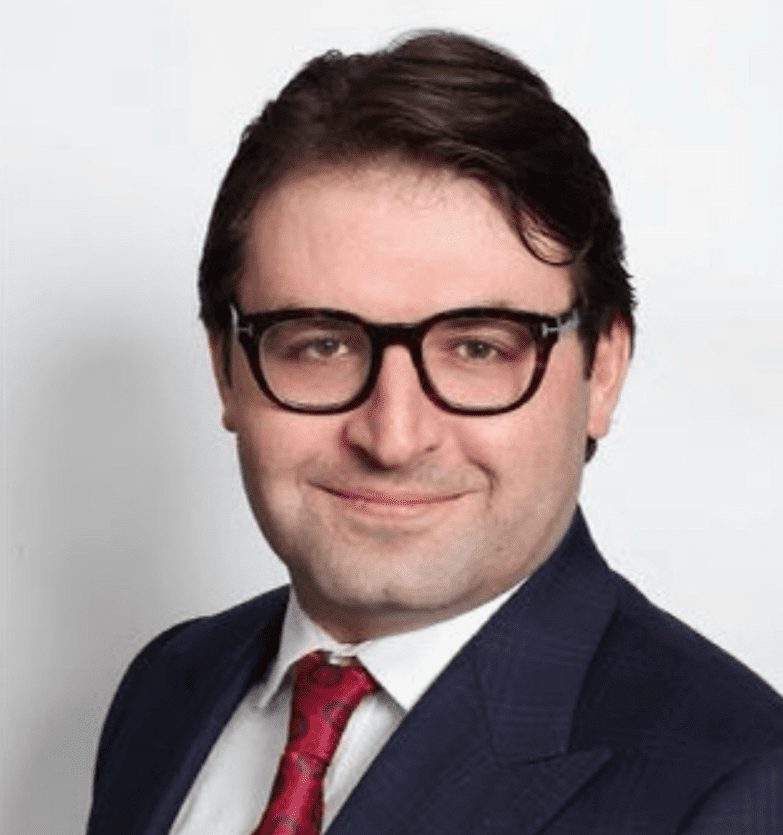
This Post Market Wrap is presented by Kodari Securities, written by Michael Kodari, CEO at KOSEC.
-
 News2 days ago
Meta invests $10 billion in West Texas AI center
-
Money18 hours ago
U.S. stocks tumble as Middle East tensions continue
-
News2 days ago
Dow drops over 450 points amid oil rise
-
News18 hours ago
IAEA warns strikes near Iran’s plant risk crisis
-
News3 days ago
Iran advances tolls on Strait of Hormuz
-
Tech2 days ago
Microsoft suspends hiring in cloud, sales divisions
-
Tech4 days ago
Meta ordered to pay $375 million for violations
-
News4 days ago
Jamie Dimon discusses Iran war’s potential peace benefits