News
Fuel prices to rise after excise cut ends
Fuel prices set to rise as government excise cut ends June 30, amid ongoing Middle East conflict uncertainty

Fuel prices set to rise as government excise cut ends June 30, amid ongoing Middle East conflict uncertainty

– Australia’s fuel prices will rise after the government’s excise cut ends on June 30.
– Experts predict minor price increases due to ongoing Middle Eastern conflicts but not significant rises.


Prices forecasted
Fuel costs decreased by 26.3 cents per litre, alleviating some pressure on consumers.
Retail diesel prices have fallen by 31% and petrol prices by 29% in major cities as of May 27.
The excise is a sales tax on petrol and diesel, impacting consumer prices at the pump.
The standard fuel excise is 52.6 cents per litre, as per the Australian Automobile Association.
The cut ends on June 30, with federal Treasurer Jim Chalmers indicating there will be no extension.
Experts predict a modest price increase if Middle Eastern conflict persists.
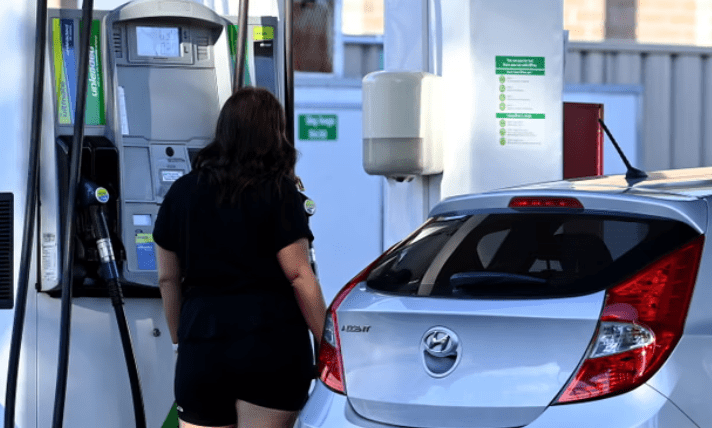

Queensland University of Technology’s Mahdi Abolghasemi states a small rise is likely, depending on the Strait of Hormuz’s status.
University of Queensland’s John Quiggin adds that prices will not dramatically rise, remaining within historical inflation-adjusted levels.
Relief should not be permanent, according to Quiggin, as it hinders the transition from combustion engine vehicles.
Australia currently holds reserves of 48 days of petrol, 36 days of diesel, and 30 days of jet fuel.
The government anticipates 3.3 billion litres of fuel will arrive from overseas in the next four weeks.
The National Fuel Security Plan includes measures like a temporary reduction in Heavy Vehicle User Charges.
The Australian Competition and Consumer Commission encourages consumers to compare fuel prices using state-specific apps and websites.
