Ticker Views
Does FIFA have blood on its hands?

The 2022 FIFA World Cup is being held in stadiums built by forced labour
In Qatar, the 2022 Men’s FIFA World Cup is hosted in stadiums that have been built by millions of migrant workers.
Most of the workers have never been paid for their work or lost their lives in the process.
Undeniably, the men’s football championship is an event that dominates headlines and excites fans right around the world.
It’s meant to be a celebration of the sport, designed to bring communities together.
While the World Cup creates indisputable excitement, this cup carries an horrific weight of human cost.
Minky Worden, the Director of Global Initiatives at Human Rights Watch told TICKER NEWS FIFA has accrued billions of dollars in revenue.
It comes at a significant human cost to the migrant workers who have made it all possible.
“This world cup was built with the toil and sweat of migrant workers… This is entirely preventable because Qatar is such a wealthy country, and because FIFA sits on $2bn in reserves and will make an estimated $7bn from this world cup.”
minky worden, human rights watch
Human rights abuses masked by sport
However, this world cup in Qatar has a dark cloud looming over it. Qatar is the first country in the Middle East to host the FIFA World Cup.
Concerns have been raised about the safety and wellbeing of fans travelling to a country that does not support equal rights.
The cup raises triggering questions about the migrant workers who have made the world cup possible.
During the cup, FIFA will host approximately 1.2 million visitors, in stadiums built by forced labor.
Many of the migrant workers completed the stadiums, but have never been paid.
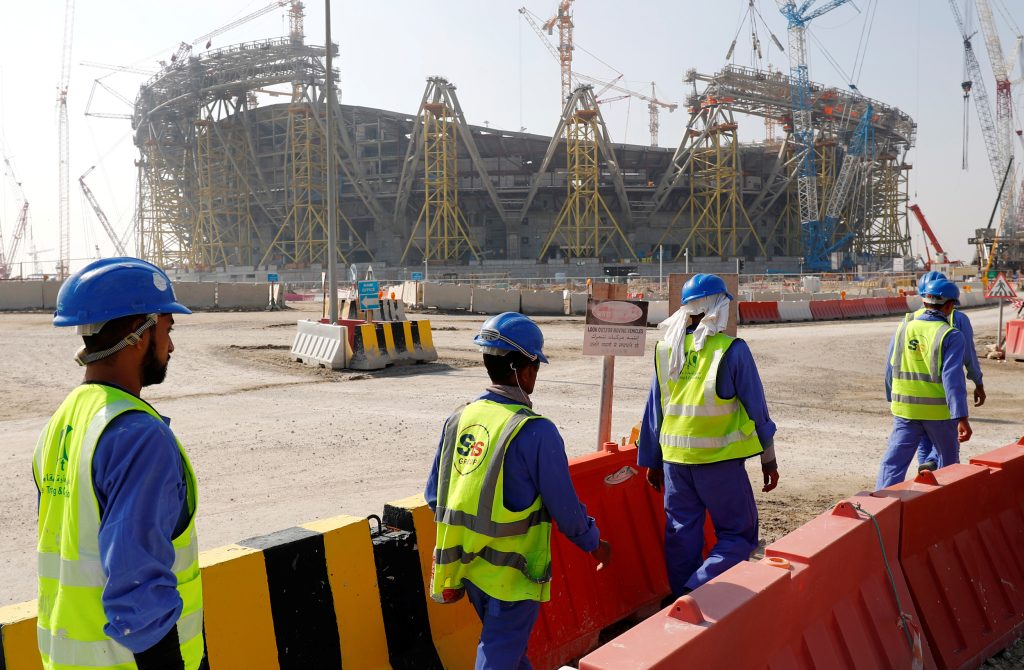
Others died during the build after working excessive hours in extreme heat and with little access to basic necessities.
So should such prominent events be held in countries like Qatar?
Worden believes FIFA and the Qatari government are using sport to mask human rights abuses.
“We all love soccer but this really qualifies to what we would call sports washing… Using fireworks and celebration and a sport that we all love to cover up human rights abuses.”
minky worden, human rights watch
“This is the most expensive world cup in the history of the world, but sadly it’s also the highest cost of human lives…
minky worden, human rights watch
These glamorous stadiums, the highways and new metros, the lavish hotels…Have been built by migrant workers…
The population of migrant workers is more than two million.“
The Qatari government has adopted labour reforms more recently, but many say it’s too little too late.
“The families of workers who died have had no way to claim compensation for the deaths of their loved ones… And many of these deaths occurred in the decade before these labour reforms happened.”
minky worden, human rights watch
While it may look glitz and glam on the exterior, it raises questions whether FIFA has blood on their hands.
The 2022 Qatar World Cup has been plagued with controversy from the get-go.
From the moment the hosting rights were handed to Qatar, concerns about the legitimacy of the voting process escalated.
FIFA’s President at the time Sepp Blatter has since admitted awarding a country that doesn’t respect basic human rights for everyone was a ‘mistake.’
Blatter also echoed claims that the decision was made out of political pressure.
While Blatter has been condemned for his part in the deal, it raises concerns about FIFA’s role in honouring the hosting deal now.
Current FIFA President Gianni Infantino said the west should not be giving “moral lessons” to anyone.
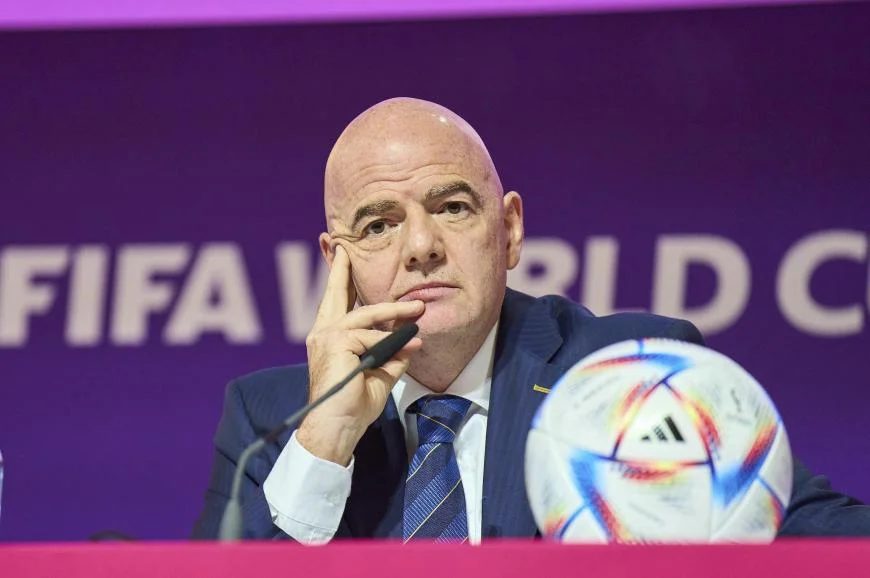
However, as one of the world’s largest sporting organisations, FIFA bare ultimate responsibility of who they do business with.
They’re turning a blind eye to obvious human rights violations, masked by the roar of a football game.
“It’s fully FIFA’s responsibility because FIFA awarded the world cup to Qatar in 2010, without doing human rights due diligence.”
minky worden, human rights watch
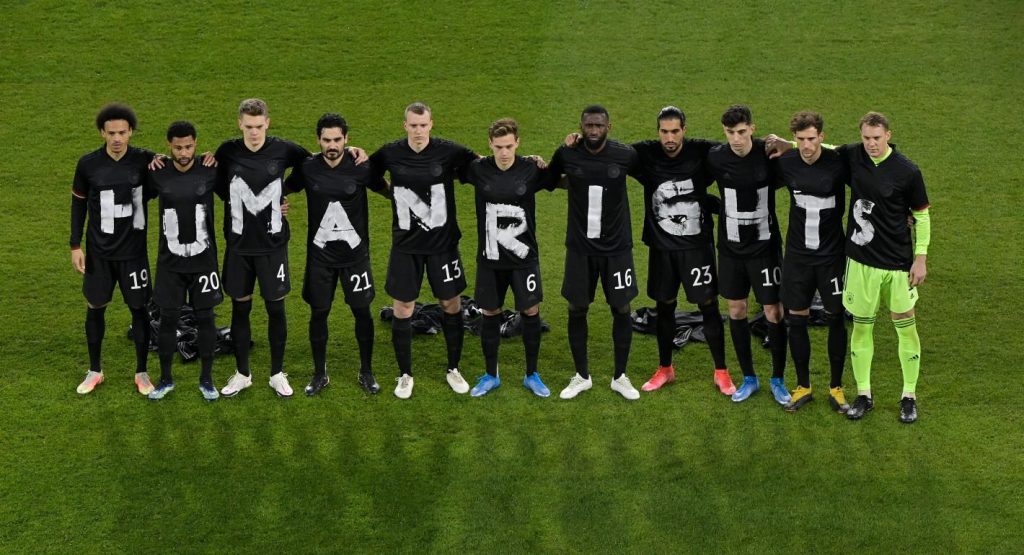
It comes as people all around the world call out Qatar and FIFA for their collective role in human rights abuses.

-
 News2 days ago
Anthropic disrupts malicious AI campaigns from Russia, China
-
Tech2 days ago
Schneider Electric’s sustainability push as AI reshapes energy demand
-
News5 days ago
Amazon Air crash at Miami airport kills five
-
News5 days ago
Trump’s unpopularity threatens Republicans’ midterm chances
-
Tech3 days ago
Apple thinks you’ll pay $3,500 for an iPhone
-
Tech3 days ago
Apple event 2026: Ternus reveals the foldable iPhone Duo
-
News5 days ago
Foreign money is changing Bali as tensions over expat population rise
-
Money2 days ago
‘A huge shock’: ASX faces bloodbath amid global risks