Leaders
Charles Liu on how circular uniforms cut costs and waste for businesses
Charles Liu discusses how adopting a circular model for uniforms reduces waste and costs while enhancing sustainability in business

Charles Liu discusses how adopting a circular model for uniforms reduces waste and costs while enhancing sustainability in business

– Traditional uniform models lead to over-ordering, waste, and unnecessary costs for businesses.
– A circular approach reduces waste and can lower uniform expenses by up to 50% for small firms.
Businesses are rethinking how uniforms are managed, as traditional systems prove costly and wasteful. Many companies over-order stock or leave unused garments sitting in storage, driving up expenses across production, freight, and warehousing.
These inefficiencies not only impact the bottom line but also contribute significantly to landfill waste and environmental strain.
Charles Liu, owner of Cubic Promote, highlights how the production of uniforms consumes valuable raw materials and energy while generating carbon emissions.
A shift to a circular model offers a smarter alternative, focusing on extending the life of garments through rejuvenation techniques such as invisible mending and specialised cleaning. Instead of discarding worn items, businesses can maintain quality while reducing unnecessary waste.
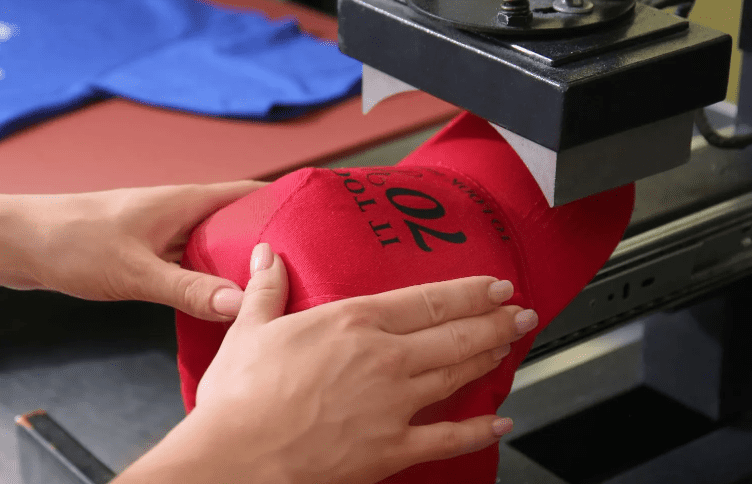

When garments reach the end of their lifecycle, they can be recycled and repurposed into new applications. This circular approach can reduce uniform expenses by up to 50 percent for small businesses, while also strengthening ESG outcomes for larger organisations.
The shift reflects a growing focus on sustainability without compromising financial performance.
For more information, visit Cubic Promote.

