

News
Biden, the wartime President, is embattled at home

Joe Biden has become the wartime president. It is a role and responsibility he never thought would unfold when he took office 15 months ago
He ran for the presidency to bring the country together, to recover from Covid, to repair the damage to families across the country, to rebuild the nation and to forge a new era of social programs that would provide more economic security and opportunity and to forge a clean energy future.
Biden’s foreign policy objectives were to bring the United States back into the international order by supporting – and leading – the institutions that had brought peace, security and prosperity after World War II, and to end the endless wars in the Middle East, most especially Afghanistan.
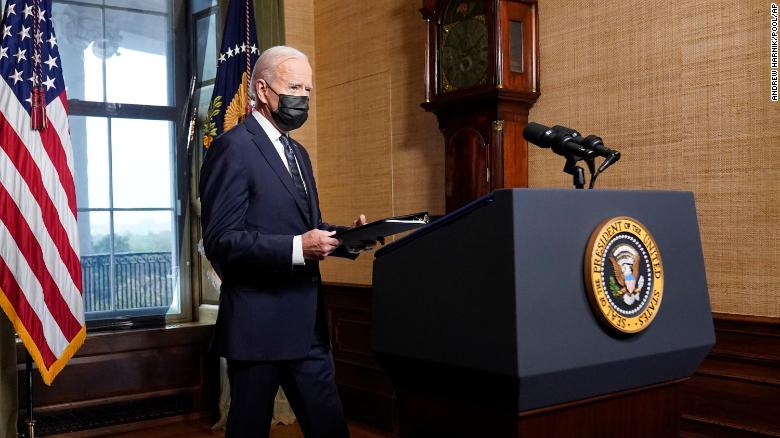
Biden wanted working relationships with Russia and China, but relationships shaped by a hard, realistic view of those authoritarian leaders and what they were doing in their countries and overseas.
But no one anticipated a land war in Europe, the biggest war on the continent since World War II. No one anticipated such brutality – war crimes – from the Russians and their terrorizing of the people of Ukraine.
Given his experience over several decades as Senator and Vice President, his deep involvement in global issues and his personal knowledge of so many world leaders and given his deep commitment to American leadership of the West, and America’s championing the values of democracy and human rights, Biden was the best-prepared president for what was unleashed when Russia invaded Ukraine.
Biden has built and led the coalition spawned in NATO to meet the Russian threat
NATO is working more vigorously and effectively than at any point in its history.
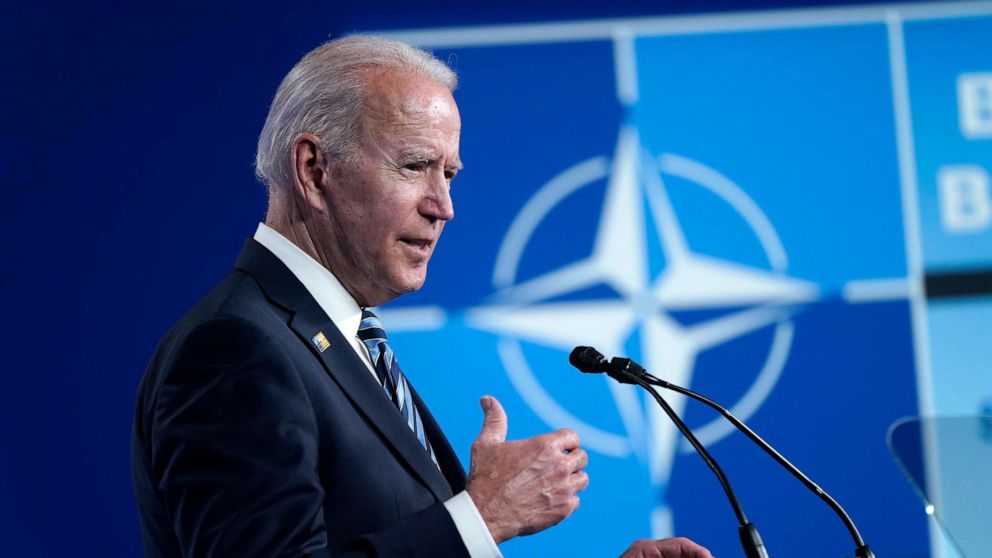
Countries reluctant for years to step up their defence spending – such as Germany – and other countries outside NATO who now want in – such as Sweden and Finland – are supporting Ukraine with exceptional levels of armaments to repel the Russians, and in humanitarian aid and open borders to support millions of refugees.
From the use of US intelligence to throw Putin and the Russians off-balance in their invasion plans to opening the spigot on weapons transfers to making it clear to Putin that he cannot and will not succeed, Biden has been clear, resolute, firm and unwavering in seeing this crisis through.

But Biden as wartime president has come at a cost to his presidency at home.
Biden’s domestic agenda has receded even as there is huge unfinished business: getting to full normal on Covid, attacking global warming and advancing household economic security and clean energy, and meeting the reckoning the country needs on voting rights.
And the issue of abortion is coming, with the Supreme Court poised to remove, in late June or early July, abortion as a constitutionally-protected medical procedure available to all women if they so choose. This will be explosive politically and will present a health crisis for millions of American women.

While the war has the attention of the American people of course, their greater concern is with the economy. While the jobs and employment markets are buoyant, and wages are rising, inflation is rampant.
Playbook reported on a focus group with Democrats last week. It’s very sobering.
When asked the first word that popped into their mind about how things are going in the country, here’s what they said: “frustrated,” “disbelief,” “aggravated,” “discouraged,” “unsure,” “worrying,” “resigned,” “frightened.” The only positive words offered were “better” and “OK.”
When asked if they personally have experienced sticker shock when going out to buy something, every single participant raised their hands.
Their views of Biden were lukewarm. On the positive side, they viewed him as “decent,” “unifying” and one said that they “personally like him.” On the negative side, they said he was “unrealistic,” “hasn’t really delivered on his promises,” “needs to be stronger,” “gives in too easily”
Time is running out on the clock in Congress to pass major legislation – and Democrats are not united enough to pass significant new programs on health, education, climate, and childcare. Or pass voting rights or gun control or police reform.
Democratic constituencies who care about these issues are disappointed and unenthusiastic about what Washington is not delivering for them.
The Republicans are pushing the hot button issues of inflation, crime, immigration, what is taught to children in schools, transgender women in sport, abortion, gun rights – and are amped up.
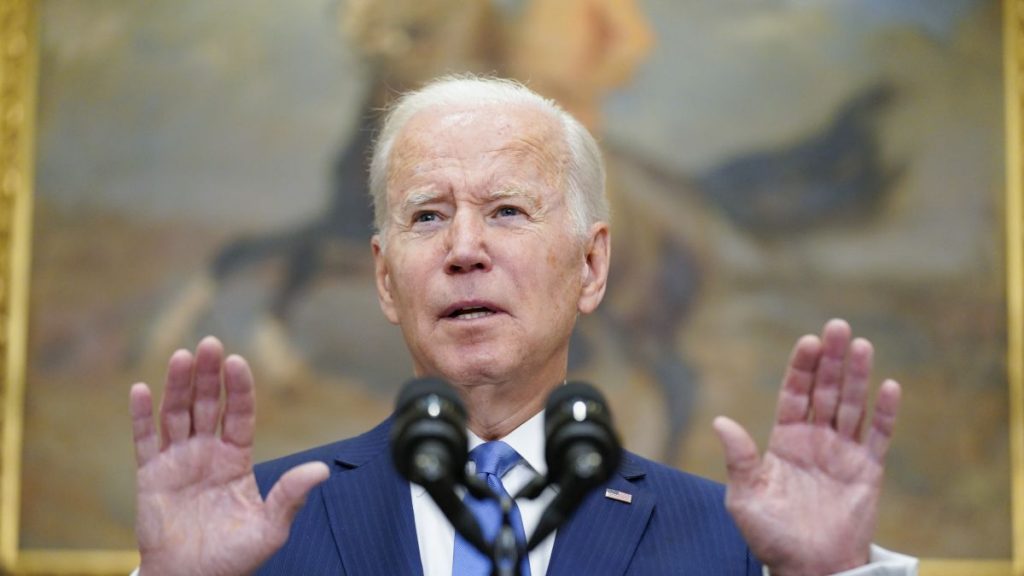
The result is a president whose approval is at 42% — too low today to give the lift Democrats need to prevent losing control of the House of Representatives in the November midterm elections, and perhaps the Senate as well.
If Russia really is repulsed from Ukraine, and Ukraine lives, and democracy wins and autocracy loses, history will judge Biden’s leadership as wartime president as a heroic achievement.
But right now the trench warfare of politics at home have left Biden wounded on the domestic battlefield.
-
 News3 days ago
Iraq’s oil exports halted, output down 70%
-
News3 days ago
Trump imposes 100% tariff on imported drugs
-
Tech2 days ago
Anthropic bans third-party tools from Claude subscriptions
-
Tech5 days ago
Microsoft faces challenges amid AI concerns and stock decline
-
Money4 days ago
Europe stocks rebound after Trump comments
-
Leaders4 days ago
Simon Bedard explains how global instability is reshaping small business valuations
-
Money4 days ago
U.S. stock market rallies despite Iran tensions
-
News5 days ago
Europe resists U.S. military actions in Iran