

Money
Australian aviation sector thrown another lifeline, but is it enough?

The global aviation sector has taken a major hit due to the pandemic as lockdowns and travel restrictions continue across the world
Australia’s aviation sector has been thrown another lifeline.
Domestic airline crew will gain access to Covid support payments of $750 a week, in an extension of the Australian federal government assistance for the aviation industry.
Australia’s Deputy Prime Minister Barnaby Joyce announced a range of measures to “keep domestic aviation ready for takeoff” – and that included assistance to retain workforce capability.
The Deputy PM says the decision to limit assistance to flight and cabin crew outside of hot spots, was due to the importance of the aviation industry in keeping Australia’s economy going.
“This is a crucial sector of the economy, it’s crucial to keep the sovereign airline capacity.,”
Joyce Said
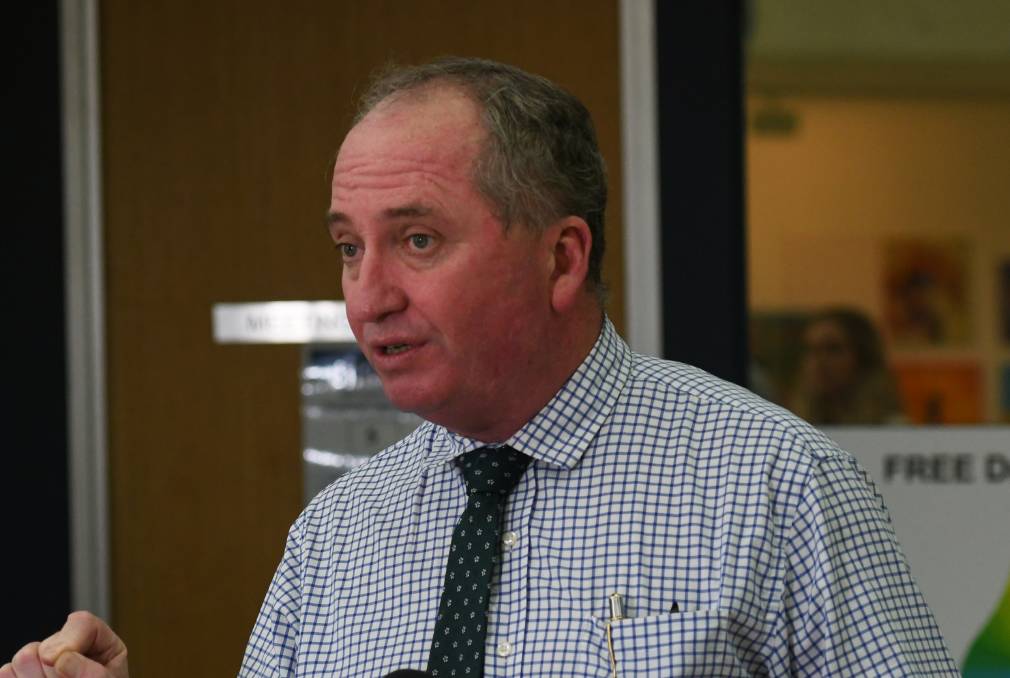
Australia’s travel market, like the rest of the world, continues to be hammered by COVID
Initially, 50 percent of pilots and cabin crew would be eligible for the $750 a week payment, providing airlines could show their revenue was down at least 30 percent.
“If the crisis goes on then we have the capacity to scale up to more than 50 per cent of employees who are aircrew, we’re talking about pilots and flight attendants,”
said Mr Joyce.
Airlines quickly welcomed the assistance, and the extension of key programs subsidising domestic and regional flights until the year’s end.
A half-price airfare initiative set to end in September was also extended until November, in recognition of the fact many cheap seats were sold on flights cancelled by airlines, due to city lockdowns and border closures.

Qantas cabin crew will have access to the support payments.
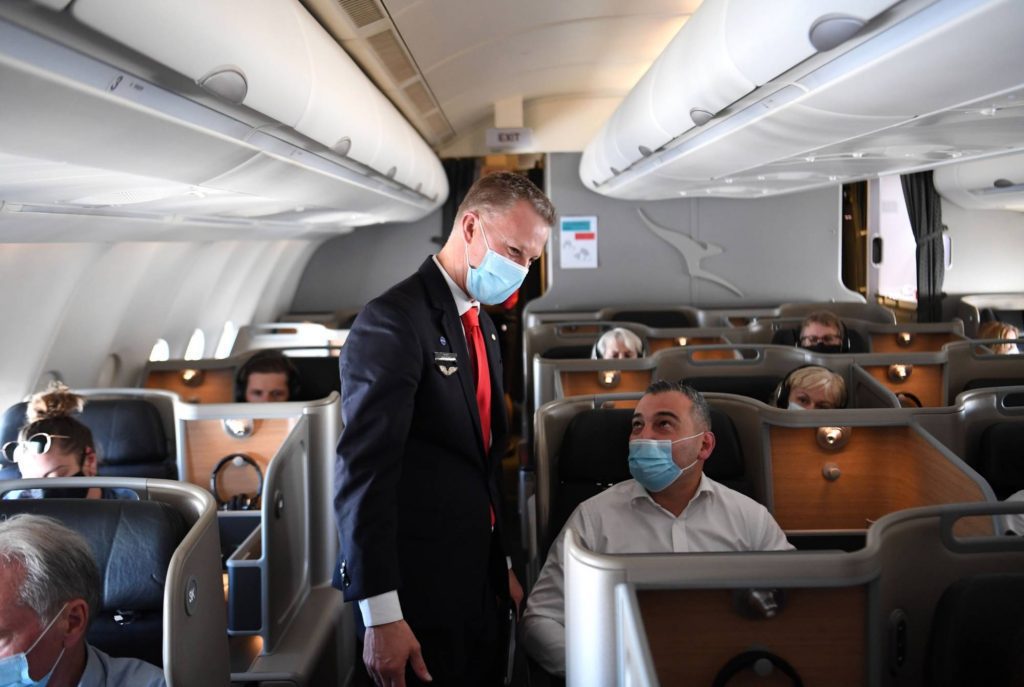
Qantas called the support “much appreciated, given the acute challenges facing the sector”.
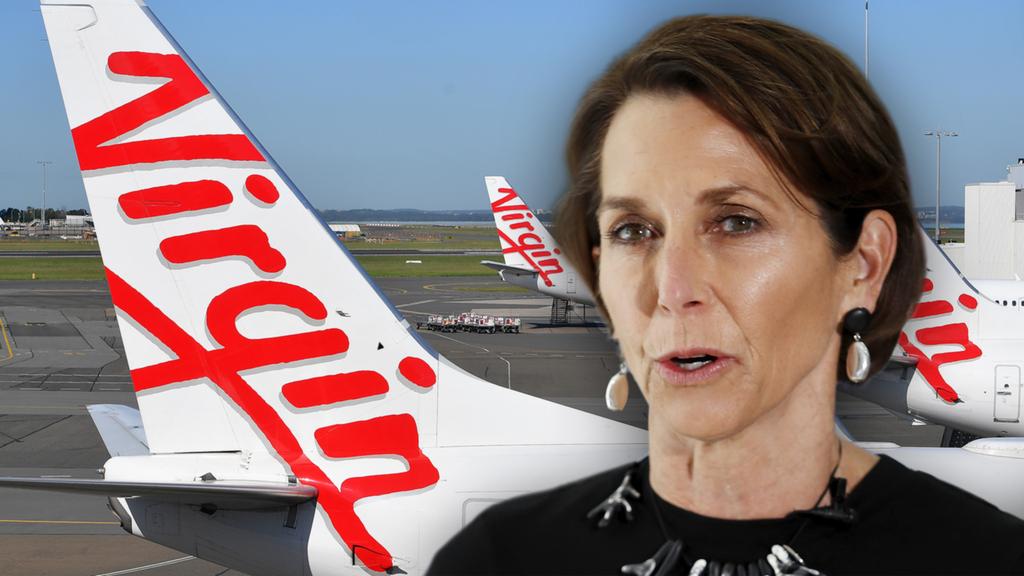
Virgin Australia CEO Jayne Hrdlicka said the support for services and crew was “essential” as they continued to navigate the most challenging period in aviation history.
“We will continue to work collaboratively with the Deputy Prime Minister and the federal government to maintain stability in our workforce and remain responsive to adding significant capacity when borders are open, which is economically critical to Australia’s future,”
said THE VIRGIN AUSTRALIA BOSS, Hrdlicka.
Virgin Australia CEO Jayne Hrdlicka welcomes the support
Unions were unimpressed however, calling on the government to extend the assistance to all aviation workers
Transport Workers Union national secretary Michael Kaine said lockdowns affected all aviation workers from check-in staff to caterers, not just some cabin crew and pilots.
The government announcement followed a warning from Qantas Group CEO Alan Joyce that the airline would again have to stand down staff without pay, if current low levels of flying persisted.
In June more than 9000 domestic flights were canceled as a result of lockdowns and border closures, including 5000 by Qantas and Jetstar.

-
News3 days ago
Iraq’s oil exports halted, output down 70%
-
Tech2 days ago
Anthropic bans third-party tools from Claude subscriptions
-
News3 days ago
Trump imposes 100% tariff on imported drugs
-
News1 day ago
Western carriers gain routes as Gulf airlines struggle
-
Money4 days ago
Europe stocks rebound after Trump comments
-
Leaders4 days ago
Simon Bedard explains how global instability is reshaping small business valuations
-
Money4 days ago
U.S. stock market rallies despite Iran tensions
-
Tech2 days ago
Artemis II crew halfway on lunar flyby mission