
News
Sports star’s vaccine hesitancy troubles experts
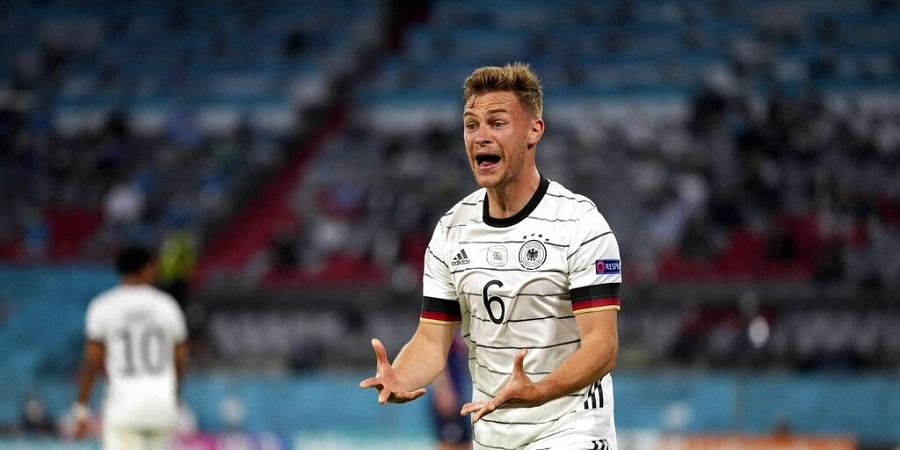
German footballer Joshua Kimmich is the latest athlete to express vaccine concerns; his refusal to get the jab is part of a growing problem in the sporting world.
Medical experts have warned of the dangers of vaccine misinformation, after Bayern Munich and Germany national team footballer Joshua Kimmich confirmed he had not received the COVID-19 vaccine over concerns of long-term side-effects.
“I have concerns about the lack of long-term studies,” he told Sky Sport.
Kimmich however confirmed he was not a COVID-19 denier or anti-vaxxer, and was open to receiving the vaccine in the future.
“I am of course aware of my responsibility,” he said.
“There is a very good chance that I will still get vaccinated,”
“It’s simply that I still have some concerns.”
News of his vaccination status a surprise to many
Kimmich, now 26, has played for his country 64 times, and captained Germany to a 2-1 victory over Romania earlier this month.
He’s been lauded for his leadership and maturity on and off the field, and for his philanthropic efforts during the pandemic. He’s tipped by football experts as a future long-term captain of his club and country.
Along with several of his Bayern teammates, Kimmich last month set up WeKickCorona, an initiative that hopes to support charities and medical facilities in need of assistance in fighting coronavirus.
“That’s not how it works”
German medical experts have been quick to condemn Kimmich’s stance.
Carsten Watzsl, scientific director of the department of immunology at Technical University Dortmund, said it’s a common “misunderstanding” that vaccines could have potential long-term side-effects that appear years after first and second doses.
“Say I let myself get vaccinated and perhaps next year I will have some grave side-effects, that’s not how it works,” he told a German broadcaster.
“The side effects of a vaccine always appear directly after the vaccination, within a few weeks.”
Much like food and medicine, vaccines don’t last long in the body, and immunologists have maintained that the jab performs a “once-off function”, which then degrades in the body over time.
The chair of Germany’s top medical advisory body, Thomas Mertens, said Kimmich was mistaken if he believed there were no designated studies or monitoring programs closely focused on detecting long-term side-effects.
“Joshua Kimmich is certainly a recognised expert on football issues, but not an expert on vaccination,” Mertens added.
Kimmich joins a growing list of vaccine hesitant sportspeople
Vaccinations are not compulsory for English Premier League players, nor those of Germany’s top flight, the Bundesliga, in which Kimmich competes.
But Kimmich’s reputation and role model image on the world football stage means his vaccination status holds much more significance.
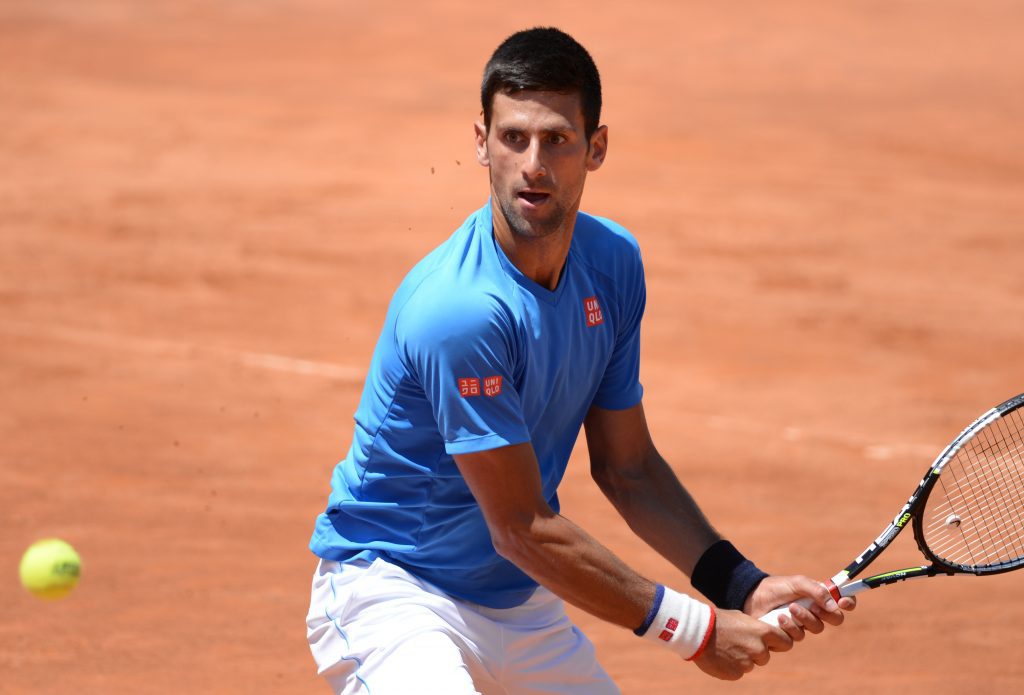
World number one tennis player Novak Djokovic is perhaps the most prominent example of a sports star who’s turned down the vaccine.
Last year, Djokovic said he was “opposed to vaccination” before a controversial exhibition tour in Serbia and Croatia. The Serbian tennis star and three other players later tested positive for the virus.
He remains steadfast in his view, and his appearance at next month’s Australian Open is far from certain because of this.
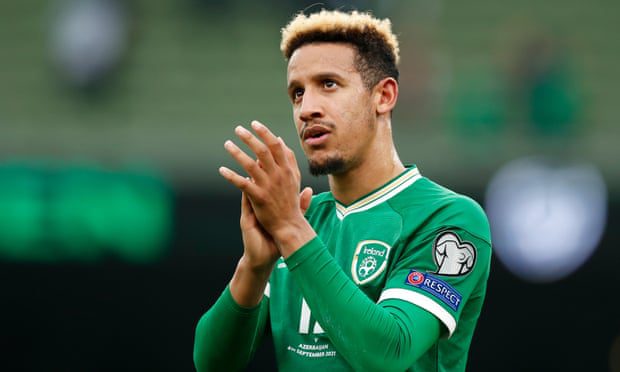
West Bromwich Albion and Ireland national team footballer Callum Robinson (pictured above) has caught Covid twice, yet remains unvaccinated.
“That’s my choice at this moment in time,” he said earlier this month.
“Further down the line I could change my mind and want to do it. I think it’s your personal choice and my choice at this moment in time, I haven’t been vaccinated. I wouldn’t force people to do it, it’s your choice and your body.”
Kimmich’s comments come amid rising vaccine cases in Germany, as well as England, where only 68% of Premier League players have been fully vaccinated.
-
 News3 days ago
Nvidia supports Chinese AI amid U.S. concerns
-
News3 days ago
Yayoi Kusama, influential Japanese artist, dies at 97
-
News3 days ago
Warsh faces pressure on inflation’s status and solutions
-
News3 days ago
Himalayan flood risks prompt urgent warnings
-
Shows3 days ago
Exploring the complexities of early childhood education in Australia
-
News3 days ago
Kevin Warsh takes centre stage as markets await fresh rate clues
-
News4 days ago
Meta settles teen addiction lawsuit for $23.6 billion
-
News4 days ago
Flooding disaster leaves hundreds missing in Nepal