

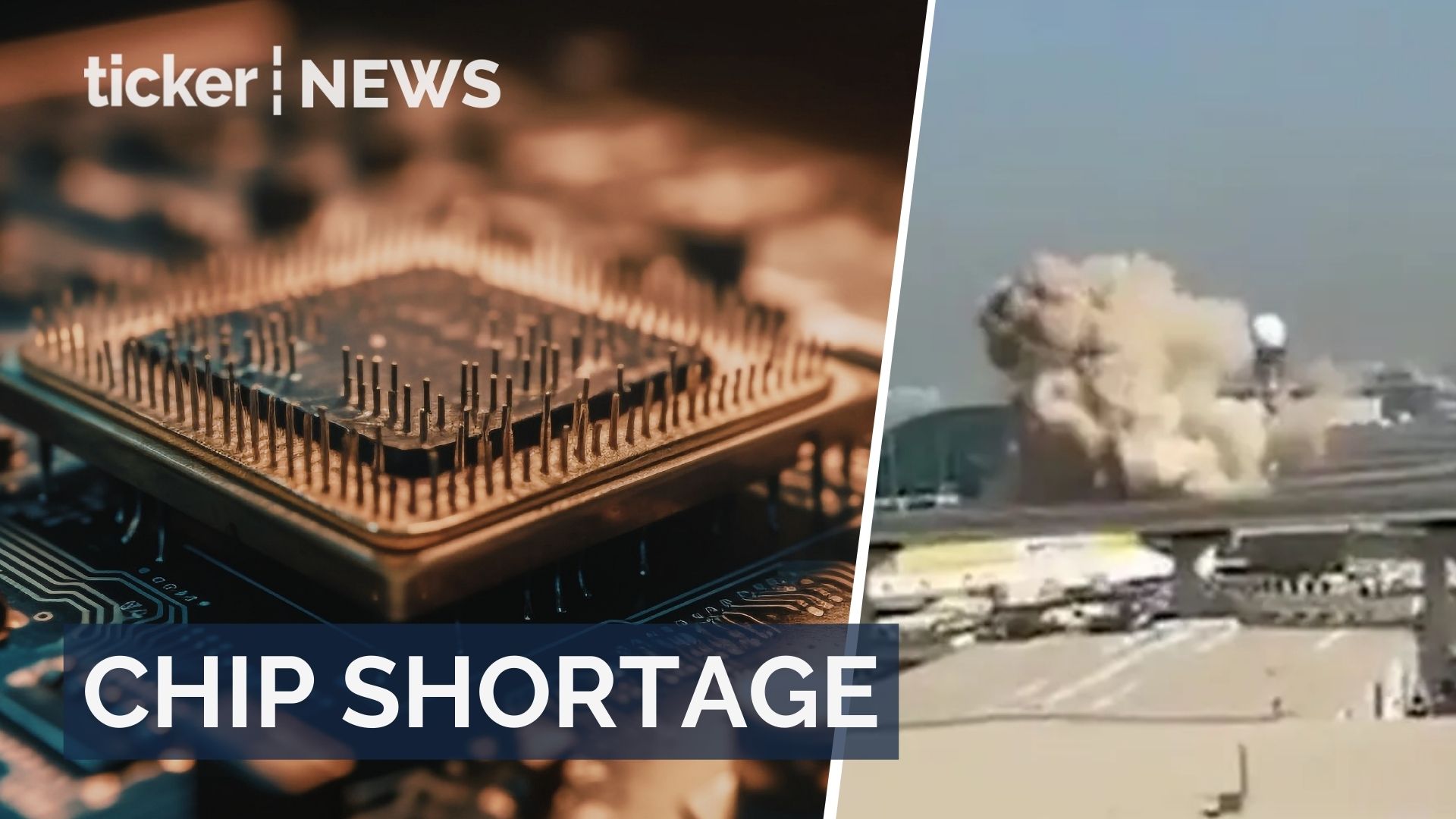
Iran conflict and rising energy prices threaten semiconductor demand, impacting chip supply and driving costs higher

A prolonged conflict in the Middle East may disrupt the semiconductor industry’s access to essential materials while rising energy prices could lessen demand for chips critical to the AI sector.The current U.S.-Israel war with Iran highlights the Middle East’s significant role in the semiconductor supply chain.

Material Risks
Semiconductor stocks have been adversely affected by market volatility, with memory chipmakers SK Hynix and Samsung seeing a significant drop in value.
Ray Wang from SemiAnalysis notes prolonged conflicts could disrupt material sourcing, specifically helium and bromine.
The Middle East is critical for helium supply; Qatar produces over a third of the global supply, important for chip manufacturing. Transportation of helium could become challenging if the Strait of Hormuz is affected, which would impact over 25% of helium availability.
Bromine, essential in semiconductor production, is largely produced in Israel and Jordan. Potential disruptions in material supplies could have cascading effects on global semiconductor manufacturing.
Energy Concerns
Rising energy costs also threaten semiconductor demand linked to high-power data centres.
The conflict has driven up Brent crude prices, affecting operational costs for AI data centres run by major tech firms like Microsoft and Amazon.
Tim Seymour highlights that high oil dependency significantly increases costs for AI infrastructure. Memory chipmakers such as Samsung and SK Hynix, both crucial for AI data centres, face risks from rising operational expenses and potential demand declines.
Electricity composes about half of a data centre’s costs, leading to caution among operators regarding future capital expenditures. While both companies have locked supply contracts that may buffer them temporarily, uncertainty about the conflict’s duration poses longer-term risks.
Rising production costs could affect profit margins and overall market valuations of these companies.